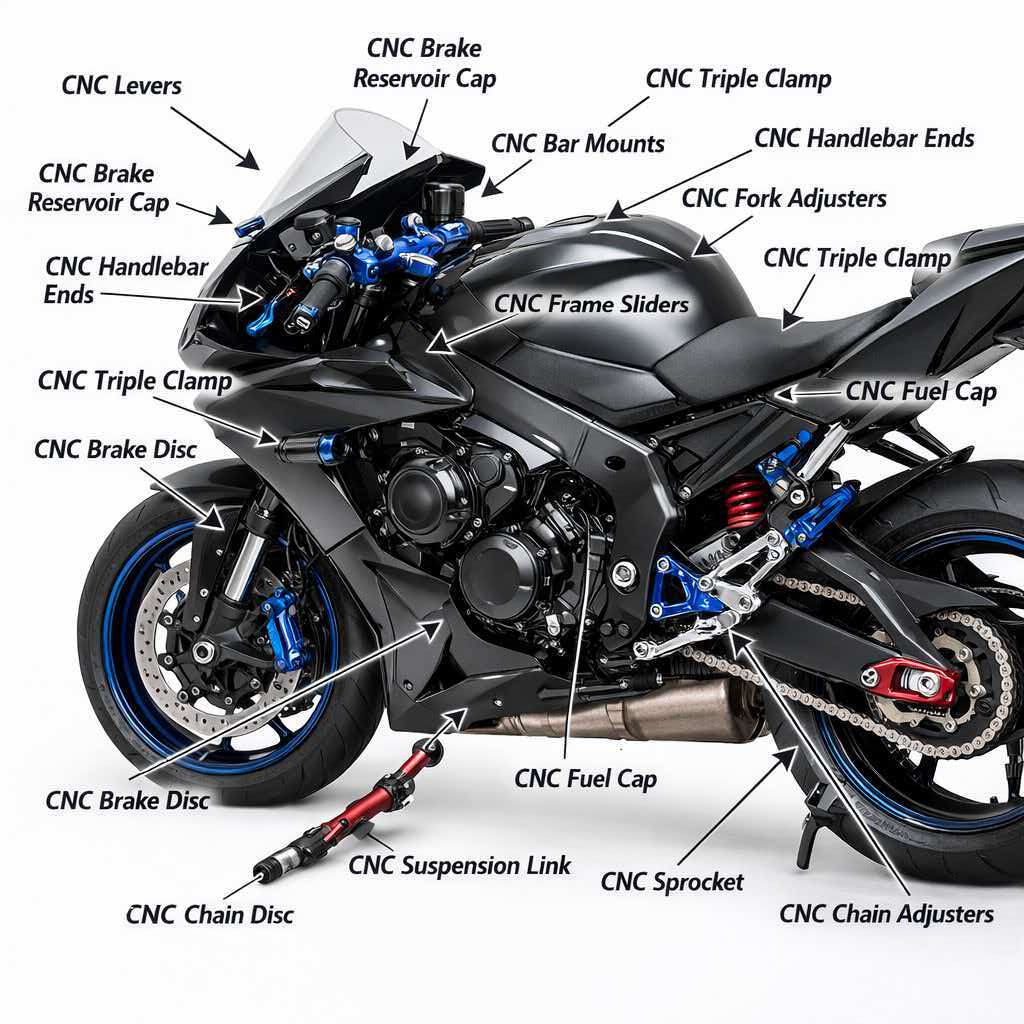
Forging is a foundational manufacturing process in the metalworking industry, involving the shaping of metal using localized compressive forces. At our company, this technique is central to producing high-performance, reliable metal components. Its applications are vast and critical, ranging from essential automotive parts like crankshafts, connecting rods, and gears to aerospace components such as turbine discs and landing gear. Furthermore, forging is indispensable in creating heavy-duty tools, industrial machinery components, and high-strength fasteners used in construction and infrastructure. This wide applicability stems from forging’s unique ability to enhance the inherent properties of metals, making it the preferred method for parts that must endure extreme stress, fatigue, and demanding operational environments.
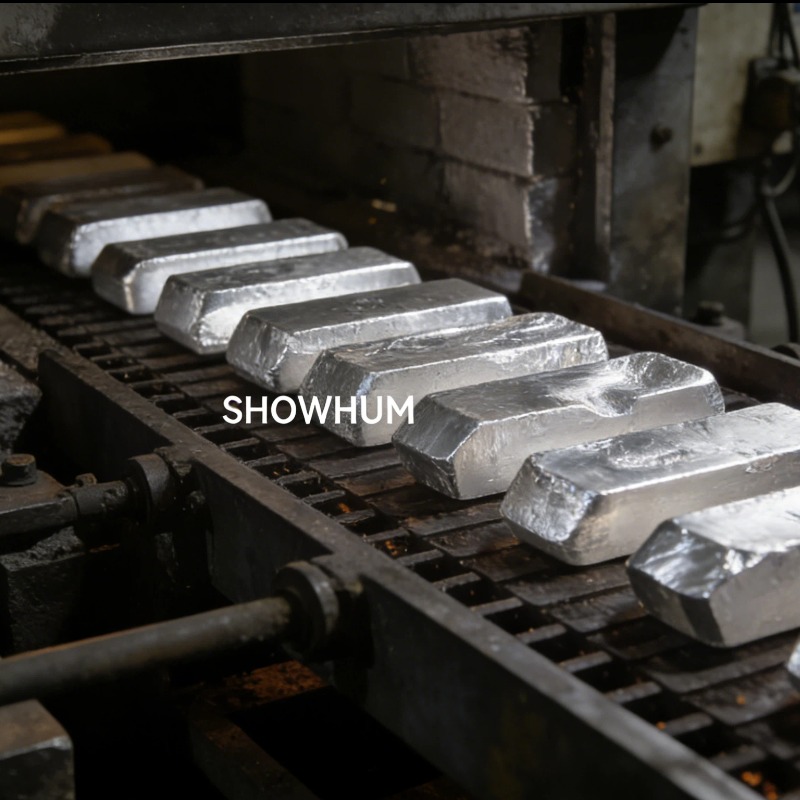
The superiority of forged products is not accidental but is rooted in the profound material advantages the process delivers. Here are the ten key benefits that distinguish forging from other metal-forming techniques:
1. **Superior Strength & Toughness:** The forging process refines the metal's grain structure, making it continuous and directional, which results in exceptional strength and impact resistance.
2. **Enhanced Structural Integrity:** It eliminates internal voids, gas pockets, and porosity, creating a homogeneous part with unwavering reliability.
3. **Improved Fatigue Resistance:** Forged components demonstrate a far greater ability to withstand repeated loading and stress cycles without failure.
4. **Consistent High Quality:** The process ensures remarkable uniformity in composition, structure, and mechanical properties from part to part.
5. **Cost-Effectiveness for Volume:** For high-volume production runs, forging is highly economical due to reduced material waste and efficient cycle times.
6. **Material Savings:** It is a net-shape or near-net-shape process, minimizing the need for secondary machining and dramatically cutting material loss.
7. **Versatility in Metals:** A wide array of ferrous and non-ferrous metals, including various grades of steel, aluminum, and titanium, can be effectively forged.
8. **Excellent Dimensional Stability:** Forged parts have minimal residual stress, leading to greater stability during heat treatment and in final use.
9. **Increased Wear Resistance:** The densified grain structure provides a superior surface and internal durability against abrasion.
10. **Long-Term Reliability:** The combination of all the above factors translates into components with an extended service life and predictable performance under stress.
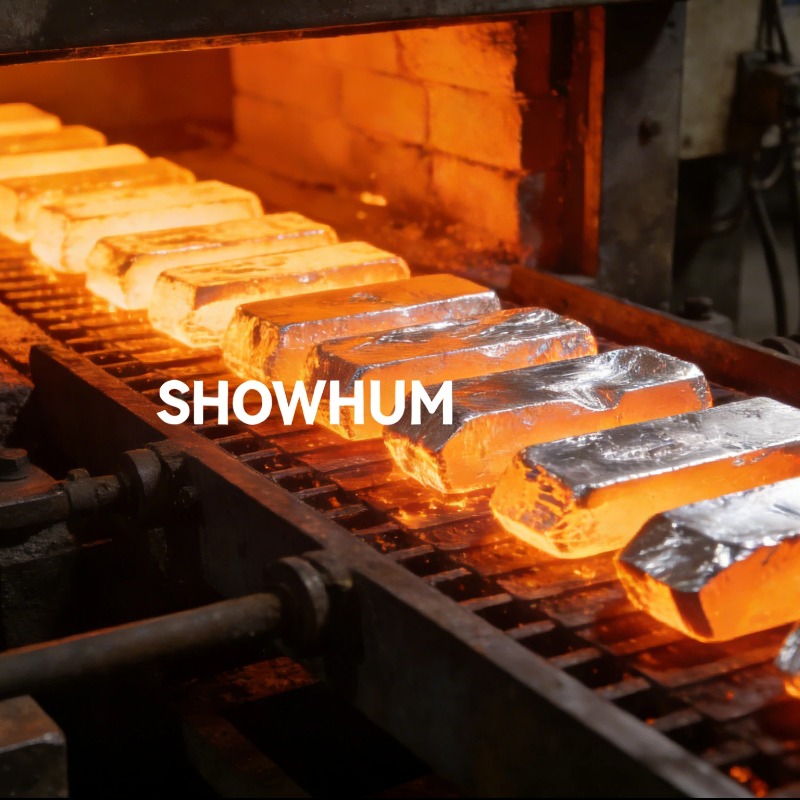
In summary, forging is far more than a simple shaping operation; it is a transformative discipline that fundamentally improves the metallurgical characteristics of metal. The process’s diverse applications across automotive, aerospace, and industrial sectors are a direct testament to its unmatched ability to produce components where failure is not an option. The ten core advantages—from unparalleled strength and fatigue life to economic efficiency and reliability—collectively establish forging as the premier choice for manufacturing mission-critical metal parts. At our company, we harness this powerful combination of art and science to deliver products that form the strong, durable backbone of modern machinery and infrastructure, ensuring performance you can trust.